What Is the Difference Between a Primary Residence and a Secondary Home?
Your primary residence is the home where you live most of the year — the address on your driver's license and where you spend the majority of your time. A secondary home is another property you own and use frequently, but not as your main dwelling. This could be an apartment you stay in during the workweek, a condo you use on weekends, or a property for family members. This distinction matters for:
- Tax designation: Only one property can be claimed as your principal residence each year
- Insurance coverage: Both homes need separate policies
- Mortgage eligibility: Lenders assess them differently
Feature | Primary Residence | Secondary Home |
Main Use | Where you live most of the year | Second property you use regularly |
Occupancy | Continuous | Part-time or shared |
Example | Family home in Burlington | Condo in Toronto for weekdays |
Coverage Needs | Standard home policy | Separate secondary home policy |

What Qualifies as a Primary Residence in Canada?
According to the Canada Revenue Agency (CRA), your primary residence is the home you "ordinarily inhabit." Your family unit can only designate one property as your principal residence per year.
This matters when you sell. If you've designated a home as your principal residence for all the years you owned it, you may be exempt from capital gains tax on any profit.
Example: Family home in Oakville (primary residence) and Toronto condo used on weekdays (secondary home). The CRA allows just one designation each year.
Not sure which home counts as your primary residence? Speak with a Morison Insurance broker for guidance. Ensuring your insurance classification matches your tax designation helps avoid confusion when filing a claim.
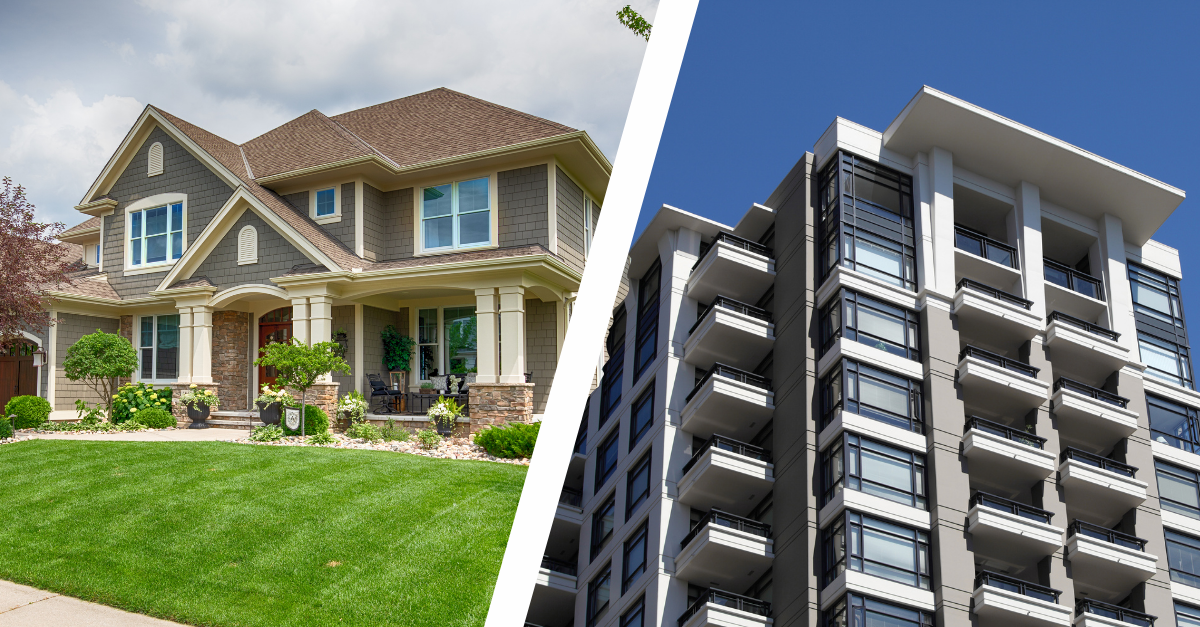
What Counts as a Secondary Home in Canada?
A secondary home is a property you own and use frequently, but it's not where you live most of the time.
What Counts (and What Doesn't)
What a secondary home IS:
- A condo in downtown Toronto that you stay in during the workweek to avoid commuting from Hamilton
- A property you're maintaining for your children attending university in St. Catharines.
What a secondary home is NOT:
- Not automatically a rental property — Unless you're renting it out, it's personal-use property
- Not a vacation property — Seasonal visits fall under different insurance
If you rent out your secondary home occasionally, disclose this to your insurer. You may need short-term rental coverage or a landlord insurance policy.
Looking for seasonal or cottage coverage? If your second property is a cottage or used only seasonally, that falls under a different type of insurance: seasonal or cottage insurance.
Your Primary Policy Doesn't Follow You Home
Your primary home insurance policy does not cover your secondary home. Insurance doesn't transfer between properties.
How Insurance Differs Between a Primary and Secondary Home
Understanding how insurance coverage works for primary vs secondary homes helps you make sure both properties are properly protected. Both homes need separate policies — your primary home policy won't automatically extend to your secondary home.
Primary Residence Insurance
Primary residence insurance is designed for homes where you live full-time. Because you're there every day, you're more likely to notice problems early, which means lower risk for insurers.
- Lower premiums due to regular occupancy
- Comprehensive ""all risks"" coverage
- Personal property covered when you travel
Secondary Home Insurance
Secondary residence insurance accounts for periods when the property sits empty. Even weekend visits leave gaps in occupancy that create additional risks.
Key differences:
- Higher risk profile and premiums
- May offer only ""named perils"" coverage (vs. ""all risks"" on a primary policy)
- Vacancy clauses limiting coverage after 30–90 days
- Requires disclosure of occupancy frequency
Second home buildings insurance addresses unique risks of part-time occupancy. Morison Insurance brokers ensure appropriate coverage through our network of 25+ carriers.
What If You Rent Out Your Secondary Property?
The type of insurance you need changes significantly if you rent out your second home — even for short periods. Standard homeowner's insurance does not cover rental activities.
- Long-Term Rentals: Need landlord insurance covering building, liability, and rental income loss.
- Short-Term Rentals: Need either a short-term rental endorsement or landlord policy. Speak to a Morison Insurance broker to review options.
For more guidance: Rental Property Insurance: The Right Way | First-Time Landlord Guide
How Taxes Differ Between Primary and Secondary Homes
The Principal Residence Exemption
Your primary residence may qualify for the principal residence exemption — no capital gains tax on increases in value during designated years.
Your secondary home is usually subject to capital gains tax unless strategically designated as your principal residence for certain years.
- One principal residence per family per year
- Must report sale on tax return to claim exemption
This article does not constitute tax advice. Consult an accountant about your situation.
Keep insurance classification aligned with tax designation.
Lending & Mortgage Differences
When you're financing a second home, lenders look at things differently than they do for your primary residence. Here's what to expect:
Primary Residence:
- Standard rates and terms
- As low as 5% down with insurance
- Straightforward qualification
Secondary Home:
- Larger down payment (often 20%+)
- Proof of dual affordability
- Slightly higher rates
- More documentation
Be transparent about property use. Misrepresenting plans can violate mortgage terms.
Non-Disclosure Means Non-Coverage
If you don't inform your insurer about rental activity and file a claim, it may be denied because you didn't have the right coverage.
Key Requirements
Tax Rules
- One primary residence per family per year
- Must report primary home sale to claim exemption
- Capital gains on secondary homes generally taxable
Insurance Requirements
- Coverage may be limited after an extended period of vacancy (typically 30–90 days, depending on insurer and policy terms)
- Must disclose occupancy frequency
- Notify insurer if use changes
- Separate policies required
Mortgage Requirements
- Lenders verify property use
- Misrepresentation violates loan terms
- Insurance proof required before closing
Requirements vary by lender, insurer, and property type.
When You Might Need Secondary Home Insurance
These are common situations where Ontario homeowners need separate policies for both properties:
- The Urban Commuter: Burlington home, Toronto condo for workweeks. Both need separate policies.
- Multi-Generational Property: Home near Hamilton campus for children attending university requires second home buildings insurance.
- Renovation Project: Living elsewhere during construction. Both properties need appropriate coverage.
- Flexible Worker: Homes in both St. Catherines and Toronto. One primary, one secondary. Both need separate policies.
How to Protect Both Homes Effectively
Owning two properties comes with added responsibility. These steps help ensure both your primary and secondary homes are properly protected:
- Ensure Proper Coverage: Make sure each home is insured based on how you actually use it. Your primary residence needs a standard homeowner's policy, while your secondary home needs a policy that accounts for periods of vacancy.
- Consider Bundling: Morison Insurance works with 25+ carriers for competitive multi-property rates. Bundling your primary home, secondary home, and auto insurance can lead to significant savings.
- Install Monitoring Devices: Water leak detectors, smart thermostats, security cameras, and smart locks. Many insurers offer discounts.
- Review Annually: Update your broker if usage changes.
Visit Your Secondary Home Every Two Weeks — Your Coverage May Depend On It
Most secondary home policies include vacancy clauses that limit coverage if the property sits unoccupied for 30–90 days. Visiting every two weeks — and notifying your broker if usage changes — is the simplest way to avoid a denied claim.
Get the Right Coverage for Both Your Homes
Owning two homes enhances your lifestyle, but only if both are insured correctly.
Primary residence = home where you live most of the year and designate for tax purposes.
Secondary home = frequently used additional residence (not seasonal cottage) you own but don't occupy full-time.
Each has unique insurance requirements, tax implications, and lending considerations. Misclassifying properties or assuming coverage transfers can leave you financially exposed.
At Morison Insurance, we understand the complexities Ontario homeowners face. Our brokers work with more than 25 insurers to find the right protection for both properties. With 4,500+ five-star reviews, we provide clear, honest guidance.
Whether purchasing a secondary property in Toronto, Hamilton, Burlington, or St. Catharines, we'll help you understand what coverage you need. Ready to properly insure your primary and secondary homes? Our team will review your situation, explain options across our carrier network, and build a coverage plan that protects what matters most.