Fine art insurance offers various coverage choices with policies crafted for your individual needs. Coverage options can include:


Tell us about your insurance needs and current coverage.
We shop multiple trusted insurers to find coverage that fits your needs and budget.
Review your options, choose what fits your needs, and get your policy started, often the same day.
Serving all of Ontario, our brokers are available in every region. Find the closest office to you.
Don’t see your city? Call us to find
the nearest broker to you
Our licensed brokers help clients throughout Ontario — virtually, by phone, or in person.
Does Fine Art Insurance Include Coverage for Mold and Other Types of Moisture Damage?
A typical policy does not cover water damage (flooding, rainfall, plumbing leaks, sewage backups, high humidity, mold). Some companies offer endorsements for specific water and moisture types, and multiple endorsements are needed for multiple sources. Best practice: store art in a climate-controlled, low-humidity space.
Should I Have My Fine Art Appraised?
Insurers and owners get appraisals to establish value and determine insurance coverage. Appraisals should be done by qualified appraisers. The amount paid for art doesn't necessarily equal appraised value. Without proper appraisal, you may not receive full value from a claim or may pay more in premiums.
How Should I Inventory My Collection for Fine Art Insurance Purposes?
It is highly recommended to inventory each piece, as this reduces hassle at claim time. Photograph the front (and back for paintings) and include: artist name, title, medium, dimensions, year of creation, source, date of purchase, current condition, current location, and a brief description. Attach the purchase receipt if available.
Who Is Fine Art Insurance Right For?
Fine art insurance is suited to art object owners whose standard home policy coverage is limited. It can be tailored to a single item or an entire collection, and protection can be global.


Why Do I Need to Insure My Fine Art?
Fine art carries both financial and sentimental value. Insuring it protects you against fire, theft, damage, and accidental loss, which is especially important for private collectors with rare collections or sentimental pieces.
What Types of Items Qualify as Fine Art for Insurance Purposes?
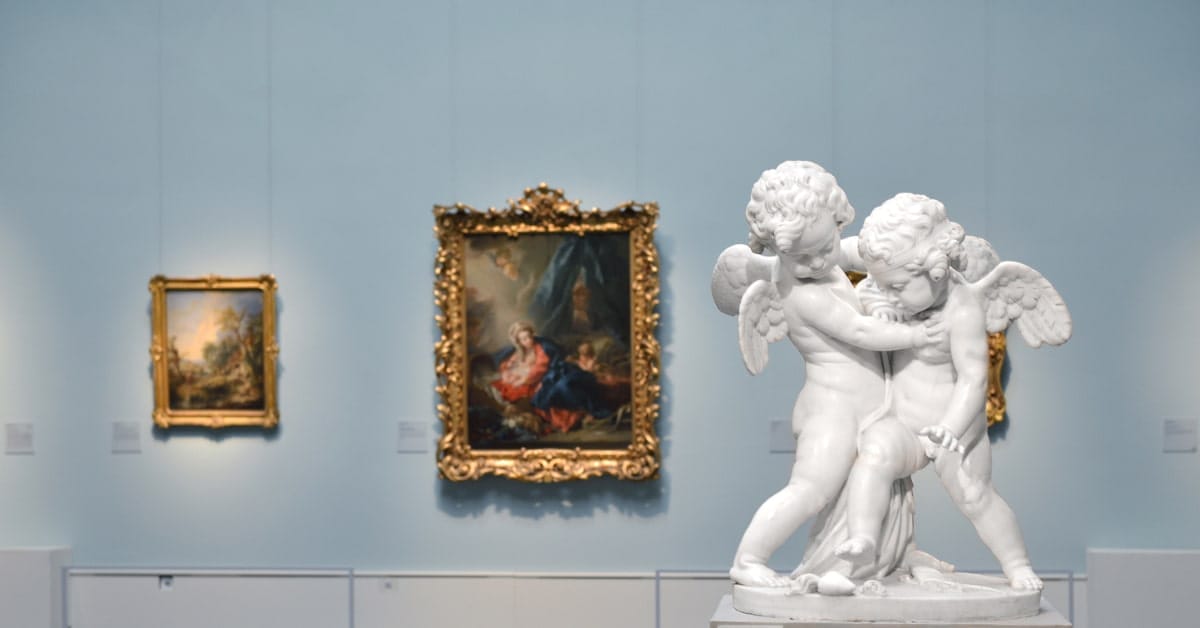
Qualifying items include paintings, drawings, sculptures, statues, ceramics and pottery, tapestries and textiles, photographs, antiques, relics and artifacts, memorabilia, prints and illustrations, glass art, mosaics, metalwork, and installations.